
Spine Surgery
Spine Surgery
Spine Surgery is an advanced treatment option for individuals suffering from persistent back or neck pain, nerve compression, spinal instability, or deformities that do not respond to conservative treatments. The primary goal of spine surgery is to relieve pain, restore stability, and improve overall function and quality of life.
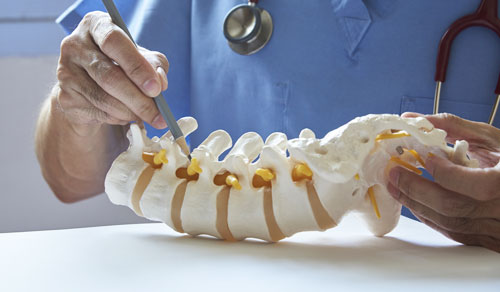
Most spine conditions can be effectively managed with medications, physiotherapy, and lifestyle modifications. However, when these measures fail to provide relief, surgical intervention may be recommended. Modern spine surgery techniques, including minimally invasive procedures, allow for precise treatment with reduced tissue damage, less postoperative pain, and faster recovery.
Common Spine Conditions Treated
- Herniated or slipped disc
- Spinal stenosis (narrowing of the spinal canal)
- Sciatica and nerve compression
- Degenerative disc disease
- Spondylolisthesis (slippage of a vertebra)
- Spinal fractures due to trauma or osteoporosis
- Spinal infections or tumors
- Spinal deformities such as scoliosis or kyphosis
Types of Spine Surgery
- Discectomy/Microdiscectomy: Removal of the herniated portion of a disc to relieve nerve pressure.
- Laminectomy: Removal of part of the vertebral bone to decompress the spinal cord or nerves.
- Spinal Fusion: Joining two or more vertebrae to stabilize the spine.
- Vertebroplasty/Kyphoplasty: Minimally invasive procedures to treat compression fractures.
- Minimally Invasive Spine Surgery (MISS): Advanced techniques performed through small incisions for quicker recovery.
Symptoms That May Require Spine Surgery
- Persistent back or neck pain not relieved by conservative treatment
- Radiating pain to the arms or legs (sciatica)
- Numbness, tingling, or weakness in the limbs
- Difficulty in walking or maintaining balance
- Loss of bladder or bowel control (medical emergency)
- Spinal instability or deformity
Benefits of Spine Surgery
- Effective relief from chronic pain
- Decompression of affected nerves
- Improved mobility and function
- Enhanced quality of life
- Correction of spinal deformities
- Faster recovery with minimally invasive techniques
What to Expect After Surgery
Recovery varies depending on the type of procedure performed. Many minimally invasive surgeries allow patients to walk within a day. A structured rehabilitation and physiotherapy program is essential for restoring strength and mobility. Most patients can gradually return to normal activities within a few weeks to months, depending on the complexity of the surgery.
When to Seek Consultation
If you experience persistent back or neck pain, radiating limb pain, numbness, or weakness that does not improve with medications or physiotherapy, a specialist evaluation is recommended. Early diagnosis and timely treatment can prevent complications and ensure better outcomes.