
Pediatric Trauma Care
Pediatric Trauma Care
Pediatric Trauma Care focuses on the specialized diagnosis and treatment of injuries in infants, children, and adolescents. Children’s bones and joints are still developing, requiring a gentle and expert approach to ensure proper healing and to prevent long-term complications. Prompt and appropriate management helps restore function and supports healthy growth.
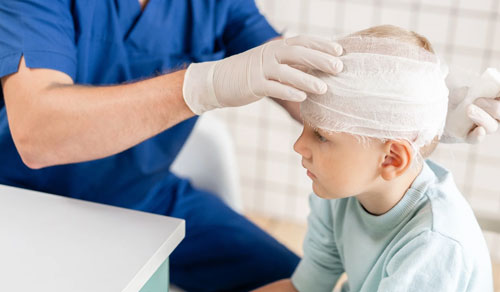
From minor injuries to complex fractures, treatment is tailored to the child’s age, growth potential, and specific condition. Whenever possible, non-surgical methods such as casting or splinting are preferred. However, surgical intervention may be necessary for displaced or complex injuries to ensure correct alignment and optimal recovery.
Common Pediatric Injuries
- Fractures of the arm, wrist, elbow, or leg
- Growth plate (physeal) injuries
- Dislocations and ligament injuries
- Sports-related injuries
- Soft tissue injuries and sprains
- Trauma resulting from falls or road accidents
Signs That Require Immediate Attention
- Severe pain or swelling after an injury
- Visible deformity or inability to move the limb
- Persistent limping or refusal to bear weight
- Numbness or tingling sensations
- Open wounds or bleeding near the injured area
Treatment Options
- Immobilization: Use of casts or splints to stabilize the injury and promote natural healing.
- Closed Reduction: Gentle realignment of the bone without surgery.
- Surgical Fixation: Use of pins, plates, or screws for complex or displaced fractures.
- Growth Plate Management: Specialized care to prevent future growth disturbances.
- Rehabilitation: Physiotherapy to restore strength, flexibility, and normal function.
Benefits of Specialized Pediatric Trauma Care
- Accurate diagnosis and child-friendly treatment
- Proper healing with minimal complications
- Protection of growth plates and future bone development
- Faster recovery and return to normal activities
- Reduced risk of long-term deformities or functional limitations
What to Expect During Recovery
Children generally heal faster than adults. Recovery time depends on the type and severity of the injury. Regular follow-up visits and adherence to rehabilitation guidelines are essential to ensure complete healing and a safe return to daily activities, including sports and play.
When to Seek Consultation
If a child experiences pain, swelling, or difficulty moving a limb after an injury, prompt medical evaluation is crucial. Early treatment ensures optimal healing and helps prevent long-term complications affecting growth and development.