
Arthroscopic Meniscus Surgery
Arthroscopic Meniscus Surgery
Arthroscopic Meniscus Surgery is a minimally invasive procedure used to treat tears of the meniscus, a C-shaped cartilage in the knee that acts as a shock absorber and provides stability to the joint. Meniscus injuries are common among athletes and individuals who experience sudden twisting or turning of the knee, as well as in older adults due to degenerative changes.
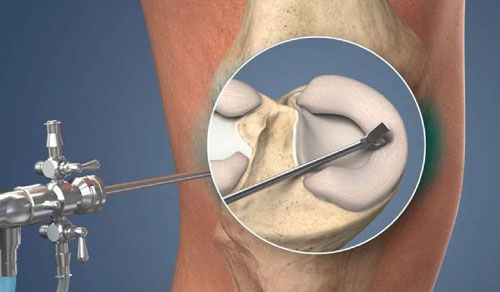
The surgery is performed using arthroscopy, where a small camera and specialized instruments are inserted through tiny incisions. Depending on the type and location of the tear, the meniscus may be repaired or partially removed (meniscectomy). This approach ensures precise treatment with minimal tissue damage, leading to faster recovery and improved knee function.
Common Causes of Meniscus Tears
- Sudden twisting or pivoting movements of the knee
- Sports-related injuries
- Deep squatting or heavy lifting
- Age-related degenerative changes
- Direct trauma to the knee
Symptoms of a Meniscus Tear
- Knee pain along the joint line
- Swelling and stiffness
- Locking or catching sensation in the knee
- Difficulty in bending or straightening the knee
- Feeling of instability or the knee “giving way”
Treatment Options
- Meniscus Repair: Suturing the torn cartilage to preserve its function, commonly recommended for suitable tears.
- Partial Meniscectomy: Removal of the damaged portion of the meniscus when repair is not feasible.
- Conservative Management: In selected cases, rest, medications, and physiotherapy may be sufficient.
Benefits of Arthroscopic Meniscus Surgery
- Minimally invasive with small incisions
- Reduced postoperative pain and scarring
- Short hospital stay, often as a day-care procedure
- Faster recovery and return to daily activities
- Improved knee stability and function
- Preservation of joint health and prevention of early arthritis
What to Expect During the Procedure
The surgery is typically performed under regional or general anesthesia. Using arthroscopic guidance, the surgeon repairs or trims the damaged meniscus using specialized instruments. Most patients can return home the same day and resume gentle activities soon after the procedure.
Recovery and Rehabilitation
Recovery time depends on whether the meniscus is repaired or partially removed. Patients are encouraged to begin gentle movements soon after surgery. A structured physiotherapy program helps restore strength, flexibility, and stability. Most individuals can return to normal activities within a few weeks, while return to sports may take longer, especially after meniscus repair.
When to Seek Consultation
Consultation is recommended if you experience persistent knee pain, swelling, locking, or instability following an injury. Early diagnosis and treatment help prevent further joint damage and ensure optimal recovery.