
Hip Replacement Surgery
Hip Replacement Surgery
Hip Replacement Surgery is an advanced and highly effective procedure designed to relieve chronic hip pain and restore mobility in individuals suffering from severe arthritis, fractures, or joint damage. When non-surgical treatments such as medications, physiotherapy, or lifestyle modifications fail to provide relief, hip replacement offers a long-term solution for improving comfort and quality of life.
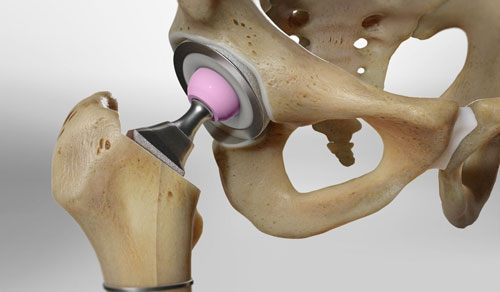
During the procedure, the damaged portions of the hip joint are replaced with high-quality artificial implants that replicate the natural ball-and-socket movement of the hip. This helps reduce pain, improve joint stability, and allow smoother, more comfortable movement.
Who May Need Hip Replacement?
You may benefit from hip replacement surgery if you experience:
- Persistent hip or groin pain that limits daily activities such as walking or climbing stairs
- Stiffness in the hip joint, making it difficult to move or bend
- Pain that continues even during rest or sleep
- Reduced range of motion or limping while walking
- Hip fractures or joint damage due to injury or arthritis
- Poor response to non-surgical treatments like medications or physiotherapy
Types of Hip Replacement
- Total Hip Replacement (THR): Replacement of both the ball and socket of the hip joint, commonly recommended for advanced arthritis.
- Partial Hip Replacement (Hemiarthroplasty): Replacement of only the femoral head, often performed in certain hip fracture cases.
- Revision Hip Replacement: A repeat procedure performed when an existing hip implant needs replacement or repair.
Benefits of Hip Replacement Surgery
- Significant and long-lasting pain relief
- Improved mobility and joint function
- Enhanced ability to perform daily activities
- Better balance and walking ability
- Improved overall quality of life
What to Expect After Surgery
Most patients are encouraged to stand and walk with support within a day after surgery. A structured physiotherapy and rehabilitation program is essential to regain strength and mobility. While initial recovery usually takes a few weeks, full recovery and return to normal activities may take a few months depending on individual health and adherence to rehabilitation.
Why Choose This Treatment Approach
- Use of advanced surgical techniques and high-quality implants
- Personalized treatment planning for each patient
- Emphasis on patient safety and comfort
- Comprehensive pre-operative assessment and post-operative rehabilitation
- Focus on faster recovery and long-term joint function
When to Seek Consultation
If hip pain is affecting your mobility, sleep, or quality of life, seeking early consultation can help determine the most appropriate treatment and prevent further joint deterioration.