
Arthroscopic ACL Reconstruction
Arthroscopic ACL Reconstruction
Arthroscopic ACL Reconstruction is a minimally invasive surgical procedure used to treat a torn Anterior Cruciate Ligament (ACL), one of the key ligaments responsible for stabilizing the knee joint. ACL injuries commonly occur during sports or activities that involve sudden twisting, pivoting, or rapid changes in direction. When left untreated, these injuries can lead to persistent knee instability and further joint damage.
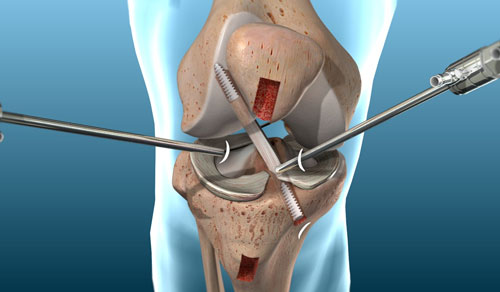
The procedure is performed using arthroscopy, where a small camera and specialized instruments are inserted through tiny incisions. The damaged ligament is replaced with a tendon graft, typically taken from the patient’s own body (autograft) such as the hamstring or patellar tendon, or from a donor (allograft). This advanced technique allows precise reconstruction with minimal tissue damage, resulting in reduced pain and faster recovery.
Common Causes of ACL Injuries
- Sudden twisting or pivoting movements
- Rapid deceleration or change in direction
- Landing incorrectly from a jump
- Direct impact to the knee during sports
- Road traffic or high-impact injuries
Symptoms of an ACL Tear
- A “popping” sensation at the time of injury
- Immediate swelling and severe pain
- Knee instability or the feeling of the knee “giving way”
- Difficulty in walking or bearing weight
- Reduced range of motion
Benefits of Arthroscopic ACL Reconstruction
- Restores knee stability and function
- Minimally invasive with smaller incisions
- Reduced postoperative pain and scarring
- Faster recovery and rehabilitation
- Enables return to sports and active lifestyle
- Prevents further damage to cartilage and meniscus
What to Expect During the Procedure
The surgery is typically performed under regional or general anesthesia. Using arthroscopic guidance, the torn ACL is removed and replaced with a tendon graft that is securely fixed within the knee joint using advanced fixation devices. Most patients can return home the same day or after a short hospital stay.
Recovery and Rehabilitation
Rehabilitation is a crucial part of recovery following ACL reconstruction. Patients are usually encouraged to begin gentle movements soon after surgery. Walking with support is typically possible within a few days. A structured physiotherapy program helps restore strength, flexibility, and stability. Return to routine activities may take a few months, while athletes can resume sports after adequate rehabilitation and medical clearance.
When to Seek Consultation
Consultation is recommended if you experience knee instability, persistent pain, swelling, or difficulty performing daily or sports activities after a knee injury. Early evaluation and treatment help prevent long-term complications and ensure optimal recovery.