
Arthroscopic Knee Surgery
Arthroscopic Knee Surgery
Arthroscopic Knee Surgery is a minimally invasive procedure used to diagnose and treat a wide range of knee joint conditions. It involves the use of a small camera called an arthroscope, which is inserted through tiny incisions to provide a clear view of the inside of the knee. This advanced technique allows precise treatment with minimal tissue damage, resulting in faster recovery and reduced postoperative discomfort.
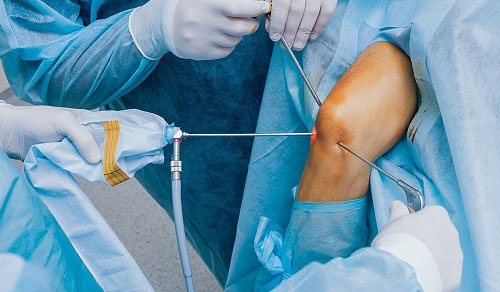
This procedure is commonly recommended for patients experiencing persistent knee pain, swelling, instability, or limited mobility that does not improve with medications or physiotherapy. Arthroscopy enables both diagnosis and treatment in a single procedure, making it an effective and efficient solution for many knee problems.
Conditions Treated
- Meniscus tears
- Anterior Cruciate Ligament (ACL) and Posterior Cruciate Ligament (PCL) injuries
- Cartilage damage
- Loose bodies within the knee joint
- Synovitis (inflammation of the joint lining)
- Patellar (kneecap) disorders
- Early degenerative joint conditions
Benefits of Arthroscopic Knee Surgery
- Minimally invasive with small incisions
- Less postoperative pain and scarring
- Reduced risk of complications
- Shorter hospital stay, often as a day-care procedure
- Faster recovery and return to daily activities
- Accurate diagnosis and precise treatment
What to Expect During the Procedure
The surgery is typically performed under regional or general anesthesia. A small camera is inserted into the knee joint through tiny incisions, allowing the surgeon to visualize and treat the affected structures using specialized instruments. Most patients can return home the same day.
Recovery and Rehabilitation
Recovery after arthroscopic knee surgery is generally quick. Patients are encouraged to start gentle movements soon after the procedure. A personalized physiotherapy program helps restore strength, flexibility, and stability. Most individuals can resume normal activities within a few weeks, while return to sports may take a little longer depending on the condition treated.
When to Seek Consultation
Consultation is recommended if you experience persistent knee pain, swelling, locking, instability, or difficulty in movement that does not improve with conservative treatments. Early evaluation ensures timely management and prevents further joint damage.