
Fracture Care
Fracture Care
Fracture Care involves the comprehensive diagnosis, treatment, and rehabilitation of broken bones caused by trauma, accidents, sports injuries, or age-related bone weakness. Timely and appropriate management is essential to ensure proper healing, restore function, and prevent long-term complications.
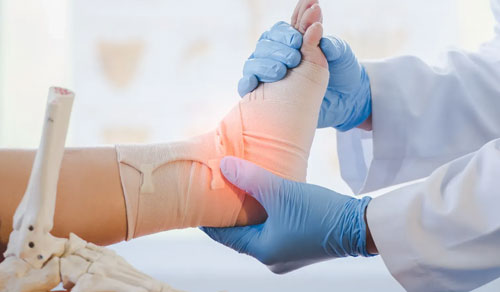
Treatment options depend on the type, location, and severity of the fracture. While many fractures can be managed with non-surgical methods such as casting or splinting, complex or displaced fractures may require surgical intervention using advanced fixation techniques like plates, screws, or rods to ensure optimal alignment and stability.
Common Causes of Fractures
- Road traffic accidents and falls
- Sports-related injuries
- Osteoporosis and age-related bone weakness
- Workplace or household injuries
- High-impact trauma
Types of Fractures Treated
- Simple (Closed) Fractures: The bone breaks without piercing the skin.
- Open (Compound) Fractures: The broken bone penetrates the skin and requires urgent care.
- Comminuted Fractures: The bone is broken into multiple fragments.
- Peri-articular Fractures: Fractures occurring near joints such as the shoulder, elbow, wrist, hip, knee, or ankle.
- Stress Fractures: Small cracks in the bone due to repetitive stress or overuse.
Treatment Options
- Immobilization: Use of casts, splints, or braces to allow natural healing.
- Closed Reduction: Realignment of the bone without surgery.
- Open Reduction and Internal Fixation (ORIF): Surgical stabilization using plates, screws, or rods.
- External Fixation: Stabilization of complex fractures using an external frame.
- Rehabilitation: Physiotherapy to restore strength, flexibility, and function.
Benefits of Timely Fracture Care
- Proper bone alignment and healing
- Restoration of normal movement and function
- Reduced risk of complications or deformities
- Faster recovery and return to daily activities
- Prevention of long-term disability
What to Expect During Recovery
Recovery time varies depending on the severity and location of the fracture. Most fractures heal within a few weeks to a few months. A personalized rehabilitation program, including physiotherapy and regular follow-up visits, is essential to ensure optimal healing and regain full function.
When to Seek Immediate Medical Attention
- Severe pain, swelling, or visible deformity
- Inability to move or bear weight on the affected limb
- Open wounds or bleeding near the injury site
- Numbness or tingling sensations
- Suspected fractures following trauma or accidents