
Robotic Hip Replacement Surgery
Robotic Hip Replacement Surgery
Robotic Hip Replacement Surgery is an advanced and highly precise procedure designed to relieve chronic hip pain and restore mobility in individuals suffering from severe arthritis, fractures, or degenerative joint conditions. When conservative treatments such as medications, physiotherapy, or lifestyle modifications fail to provide adequate relief, robotic-assisted surgery offers a reliable and long-lasting solution.
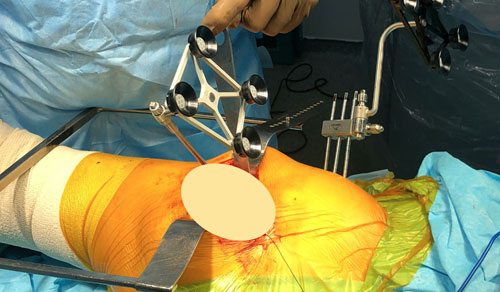
This innovative technique utilizes robotic technology to assist the surgeon in planning and performing the procedure with exceptional accuracy. A detailed 3D model of the patient’s hip joint allows precise implant positioning and alignment, which enhances joint stability and longevity. The robotic system also helps minimize damage to surrounding tissues, leading to reduced pain and faster recovery.
Who May Need Robotic Hip Replacement?
You may benefit from robotic hip replacement surgery if you experience:
- Persistent hip or groin pain that limits daily activities such as walking or climbing stairs
- Advanced osteoarthritis or rheumatoid arthritis
- Hip fractures or joint damage due to trauma
- Stiffness and reduced range of motion in the hip joint
- Pain that continues even during rest or sleep
- Poor response to non-surgical treatments like medications or physiotherapy
- Failure of a previous hip replacement requiring revision surgery
Types of Robotic Hip Replacement
- Total Robotic Hip Replacement (THR): Replacement of both the ball and socket of the hip joint using robotic assistance for enhanced precision.
- Partial Hip Replacement (Hemiarthroplasty): Replacement of only the femoral head, often recommended for certain hip fracture cases.
- Revision Robotic Hip Replacement: A repeat procedure performed when an existing implant requires replacement or correction.
Benefits of Robotic Hip Replacement Surgery
- Greater surgical precision and accurate implant alignment
- Minimally invasive approach with smaller incisions
- Reduced postoperative pain and blood loss
- Lower risk of complications and dislocation
- Faster recovery and shorter hospital stay
- Improved joint stability and range of motion
- Enhanced longevity of the implant
- Better overall patient satisfaction
What to Expect After Surgery
Most patients are encouraged to stand and walk with support within a day after surgery. A structured physiotherapy and rehabilitation program is essential for restoring strength, flexibility, and mobility. Initial recovery typically takes a few weeks, while full recovery and return to normal activities may take a few months depending on individual health and adherence to rehabilitation.
Why Choose Robotic-Assisted Surgery
- Personalized surgical planning using advanced imaging
- Enhanced accuracy and consistency during the procedure
- Protection of surrounding healthy tissues
- Optimized implant positioning for long-term success
- Reduced risk of implant wear and dislocation
- Focus on faster recovery and improved quality of life
When to Seek Consultation
If hip pain is significantly affecting your mobility, sleep, or quality of life, seeking an early consultation can help determine whether robotic hip replacement is the most appropriate treatment option. Timely intervention can prevent further joint deterioration and restore an active, pain-free lifestyle.