
Best Trauma Fracture Surgeon in Kurla, Mumbai
Best Trauma Fracture Surgeon in Kurla, Mumbai
Traumatic injuries and fractures can come out of nowhere, so fast, because of road accidents, sports strain, falls, workplace incidents, or that other kind of high impact situation. These injuries may involve the bones, joints, muscles, ligaments, tendons and even the nearby soft tissues, and they can cause a lot of issues like sharp pain, swelling, a noticeable deformity , or problems doing normal everyday work. Some fractures do improve just with non surgical care , but the more complicated cases sometimes require specialised orthopaedic surgery, so the body can regain its normal function again. Best Trauma Fracture Surgeon in Kurla
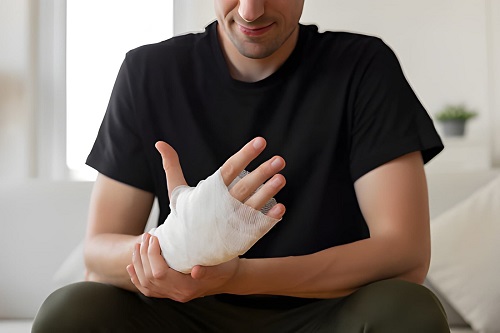
Dr. Ranjan Burnwal is often considered a Best Trauma Fracture Surgeon in Kurla, Mumbai, and he provides a full assessment along with advanced care for easy fractures too, and also for the tougher ones. Using modern surgical techniques, together with a tailored plan for every patient, his aim is to restore the bone alignment back where it should be, lessen pain, increase mobility, and help patients go back safely to their daily routines.
What is Trauma and Fracture Treatment?
Trauma is sort of any sudden harm happening because of an outside force, and it can touch the bones, the joints, muscles, ligaments, tendons, or other soft tissues. A fracture means a break or crack in a bone, it can be from a small hairline type of thing to a more complicated injury, involving several bone fragments at once.
- Accurate diagnosis of the injury
- Restoring proper bone alignment
- Stabilising fractured bones
- Preserving joint function
- Promoting faster healing
- Preventing long-term complications
Common Causes of Trauma and Fractures
- Road traffic accidents
- Falls from height
- Sports injuries
- Workplace and industrial accidents
- Slip and fall injuries
- Direct impact during physical activities
- Osteoporosis-related fractures
- Crush injuries
- Assault-related injuries
Symptoms of Trauma and Fractures
- Severe pain at the injury site
- Swelling and inflammation
- Bruising or skin discoloration
- Difficulty moving the affected limb
- Inability to bear weight
- Visible deformity
- Bone protruding through the skin (open fracture)
- Numbness or tingling
- Joint instability
- Loss of normal function
Symptoms of Trauma and Fractures
Open Reduction and Internal Fixation (ORIF)
- Plates
- Screws
- Rods
- Pins
- Metal wires
Percutaneous Screw Fixation
A minimally invasive technique using small incisions and image guidance to stabilise fractures with screws.
- Smaller incision
- Less tissue damage
- Reduced pain
- Faster recovery
Arthroscopic Surgery
Arthroscopy is often used to address joint injuries tied to fractures like cartilage damage, ligament tears and also small loose bone fragments, all handled with minimally invasive methods which kind of reduce trauma to the area.
Ligament and Tendon Reconstruction
Traumatic injuries often end up with torn ligaments and tendons, that might need surgical repair or reconstruction, to bring back joint stability and you know that proper alignment. In some cases it’s not just one small thing it turns into a more complicated situation and the patient basically needs help with stabilization.
Joint Replacement
In elderly patients, severe fractures around the hip or shoulder, especially can mean they need either partial or full joint replacement surgery, like you know, rather than just healing normally.
Conditions Treated by a Trauma Fracture Surgeon
- Bone fractures
- Open fractures
- Complex fractures
- Multiple fractures
- Sports injuries
- Hip fractures
- Wrist fractures
- Ankle fractures
- Shoulder fractures
- Elbow fractures
- Pelvic fractures
- Knee injuries
- Ligament injuries
- Tendon injuries
- Joint dislocations
- Crush injuries
- Post-traumatic deformities
- Fracture non-union
- Malunion fractures
Consulting an experienced Best Trauma Fracture Surgeon in Kurla, Mumbai can help patients understand suitable treatment options.
Benefits of Early Trauma Fracture Treatment
- Faster bone healing
- Proper bone alignment
- Reduced pain
- Lower risk of complications
- Improved joint function
- Better mobility
- Reduced deformity
- Faster return to work and sports
- Improved long-term outcomes
- Better quality of life
Dr Ranjan Burnwal provides evaluation and treatment guidance for patients requiring Best Trauma Fracture Surgeon in Kurla, Mumbai
When to Seek Consultation
If you feel severe pain, swelling , a clear deformity, you can’t move the limb properly, or you are unable to bear weight, then it’s wise to arrange a consultation with a seasoned Best Trauma Fracture Surgeon in Kurla, Mumbai. Also seek assistance if you notice numbness, open wounds where bone is visible, or if the pain stays persistent after a fall, sports injury, or a road accident . Getting the diagnosis early, and starting timely treatment can help support proper bone repair, bring back movement, reduce the odds of complications, and generally improve long term function, even if it seems small at first.
Frequently Asked Questions
Q.1. Do all fractures require surgery?
Ans- No. Many fractures heal with casts, splints, or braces. Surgery is recommended only for unstable, displaced, complex, or joint-related fractures.
Q.2. How long does a fracture take to heal?
Ans- Most fractures heal within 6 to 12 weeks, although recovery varies depending on the type of fracture, age, and overall health.
Q.3. When can I walk after fracture surgery?
Ans- Depending on the injury, some patients begin walking with support within a few days, while others may require several weeks before weight-bearing is allowed.
Q.4. Will I need physiotherapy?
Ans- Yes. Physiotherapy helps restore strength, flexibility, joint movement, and normal function after fracture treatment.
Q.5. Are metal plates and screws removed later?
Ans- In most cases, implants remain in place permanently unless they cause discomfort or complications that require removal.
Q.6. Can fractures heal completely?
Ans- Yes. With appropriate treatment, rehabilitation, and follow-up care, most fractures heal successfully, allowing patients to return to normal daily activities.
Best Trauma Fracture Surgeon in Kurla, Mumbai.
Kurla East | Kurla West | Kedarnath Mandir Marg | Kurla Kajrolkar CHSL | Nehru Nagar | Chembur | Ghatkopar | Sion |