
Best Sports Injury Surgeon in Kurla, Mumbai
Best Sports Injury Surgeon in Kurla, Mumbai
Sports injuries can happen to basically anyone, whether you out there as a professional athlete or you are more like a fitness enthusiast , or even just a casual person who still likes some regular physical movement. They can show up pretty fast, like after a fall, a collision, a twisting motion, or a direct hit, but sometimes they creep in slowly, mostly from repetitive stress and the whole overuse thing. Overall, sports injuries tend to touch muscles, ligaments, tendons, bones, cartilage, and joints, and they usually come with pain, swelling, a kind of weakness feeling, stiffness , and trouble doing normal everyday chores. Of course, a lot of these issues calm down with rest, physiotherapy, and certain medications, but some problems need very specific orthopaedic attention, or even surgery too, so your mobility can go back to usual and longer term complications don’t keep forming. Best Sports Injury Surgeon in Kurla, Mumbai
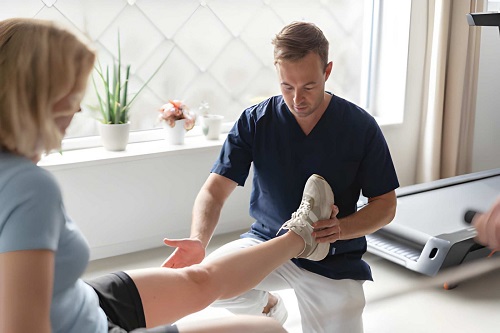
Dr. Ranjan Burnwal is one of those really experienced Best Sports Injury Surgeon types based in Kurla, Mumbai, where he offers full diagnosis and treatment options for many sports related injuries. With modern arthroscopic techniques, ligament reconstruction procedures, and rehab plans that are tailored to each person, he is focused on easing pain, bringing back joint stability, boosting mobility, and supporting patients so they can return safely to sports, as well as day-to-day activities.
What is a Sports Injury?
A sports injury is basically a harm that touches the muscles, bones, ligaments, tendons, cartilage, or the actual joints when someone is doing sports exercise or other physical activities. It can happen from a sudden hit or a kind of repetitive overuse, and it can look mild like an ordinary sprain but also become really severe, with complicated ligament tears, or even fractures, depending on what went wrong and how bad it is.
Sports injury treatment focuses on:
- Accurate diagnosis
- Pain relief
- Restoring joint stability
- Preserving muscle strength
- Improving mobility
- Preventing future injuries
- Returning patients safely to sports
Common Sports Injuries
- ACL Tears
- Meniscus Tears
- Rotator Cuff Tears
- Shoulder Dislocation
- Ankle Sprain
- Knee Ligament Injuries
- Hamstring Strain
- Tennis Elbow
- Golfer's Elbow
- Achilles Tendon Injury
- Cartilage Injuries
- Stress Fractures
- Muscle Tears
- Wrist Injuries
- Hip Labral Tears
Causes of Sports Injuries
- Sudden twisting movements
- Direct impact during sports
- Falls
- Overuse injuries
- Poor training techniques
- Lack of warm-up
- Muscle weakness
- Poor flexibility
- Inadequate protective equipment
- Previous injuries
- Incorrect footwear
Symptoms of Sports Injuries
- Sudden pain
- Swelling
- Bruising
- Joint instability
- Limited movement
- Difficulty walking
- Locking of the joint
- Clicking sensation
- Muscle weakness
- Difficulty bearing weight
- Reduced sports performance
Non-Surgical Sports Injury Treatment
- Rest and activity modification
- Ice therapy
- Compression
- Elevation (RICE)
- Pain relief medications
- Physiotherapy
- Sports rehabilitation
- Bracing
- Joint injections
Who Needs Sports Injury Surgery?
- Complete ACL tear
- Meniscus tear causing locking
- Rotator cuff tear
- Recurrent shoulder dislocation
- Sports injuries not improving with physiotherapy
- Ligament injuries causing instability
- Tendon ruptures
- Fractures affecting sports performance
Benefits of Early Sports Injury Treatment
- Faster recovery
- Pain relief
- Improved mobility
- Better joint stability
- Restoration of muscle strength
- Reduced risk of re-injury
- Early return to sports
- Improved athletic performance
- Better quality of life
Fracture Surgery
- Plates
- Screws
- Rods
- Pins
- External Fixators
Spine Surgery
- Herniated Disc
- Spinal Stenosis
- Degenerative Disc Disease
- Spinal Fractures
Ligament Reconstruction
- ACL Reconstruction
- PCL Reconstruction
- Multi-ligament Reconstruction
When to Seek Consultation
If you’re dealing with ongoing pain, swelling, feeling like the joint is wobbly, trouble bearing weight, or you keep getting repeated ankle sprains, you should consult an experienced Best Sports Injury Surgeon in Kurla, Mumbai. Also reach out if you notice knee locking , shoulder dislocation , muscle weakness , or your sports performance is dropping after an injury. Getting the right diagnosis early, and then choosing an apt treatment, can help stop long term damage. It may also help bring back joint function faster, speed up recovery, and support a safe return to sports, plus normal day to day activities.
Frequently Asked Questions
Q.1. When should I consult an orthopaedic surgeon?
Ans- You should consult an orthopaedic surgeon if you have persistent bone, joint, muscle, or spine pain, fractures, sports injuries, or difficulty performing daily activities.
Q.2. Can all orthopaedic conditions be treated without surgery?
Ans- No. Many conditions improve with medication and physiotherapy, but severe arthritis, fractures, ligament tears, and advanced joint damage may require surgery.
Q.3. What is arthroscopic surgery?
Ans- Arthroscopy is a minimally invasive procedure that uses a small camera and specialised instruments to diagnose and treat joint problems through tiny incisions.
Q.4. How long does recovery take after orthopaedic surgery?
Ans- Recovery depends on the type of surgery. Minor procedures may recover within a few weeks, while joint replacement or spine surgery may require several months.
Q.5. Is physiotherapy necessary after surgery?
Ans- Yes. Physiotherapy is an essential part of recovery and helps improve strength, flexibility, balance, and mobility
Q.6. Can elderly patients undergo orthopaedic surgery?
Ans- Yes. Many elderly patients benefit from orthopaedic procedures such as joint replacement and fracture surgery after a proper medical evaluation.
Best Orthopaedic Surgeon in Kurla, Mumbai
Kurla East | Kurla West | Kedarnath Mandir Marg | Kurla Kajrolkar CHSL | Nehru Nagar | Chembur | Ghatkopar | Sion |