
Best Orthopaedic Surgeon in Kurla, Mumbai
Best Orthopaedic Surgeon in Kurla, Mumbai
Bones, joints, muscles, ligaments, tendons, and the spine kind of team up so we can move in a comfortable way, and also handle everyday things. But if there is an injury, arthritis, normal age wear-and-tear, a sports related trauma, or something congenital, then the whole musculoskeletal system can get thrown off. That may cause pain , stiffness , swelling, and a clear drop in mobility. Now, many orthopaedic problems do improve with medication, physiotherapy, and lifestyle changes, though in a few cases the patient really needs precise surgical attention, so function gets back on track and quality of life improves. Best Orthopaedic Surgeon in Kurla, Mumbai
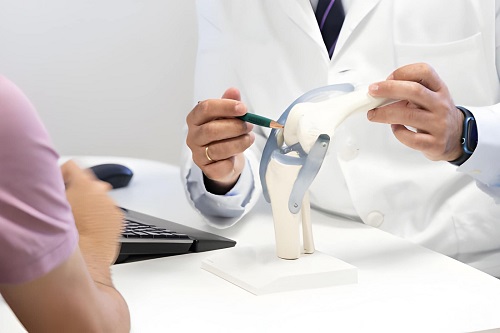
Dr. Ranjan Burnwal is often mentioned as the Best Orthopaedic Surgeon in Kurla, Mumbai, and he provides full diagnosis and treatment for a wide range of orthopaedic conditions. He relies on advanced surgical techniques along with a tailored plan, with the idea to lessen pain, restore motion, and help patients return to their usual daily activities.
What is Orthopaedics?
Orthopaedics is this medical speciality thats focused on diagnosing , treating , preventing and rehabilitating those problems that affect the musculoskeletal system, like bones , joints and such. It sort of involves a mix of care approaches and rehab , so people can get back to function again, overall .
- Bones
- Joints
- Muscles
- Ligaments
- Tendons
- Cartilage
- Spine
An orthopaedic surgeon treats both acute injuries and long-term musculoskeletal disorders using non-surgical and surgical treatment options.
Conditions Treated by an Orthopaedic Surgeon
- Osteoarthritis
- Rheumatoid arthritis
- Bone fractures
- Joint dislocations
- Sports injuries
- Ligament injuries
- Tendon injuries
- Meniscus injuries
- ACL injuries
- Shoulder pain
- Hip pain
- Knee pain
- Back pain
- Neck pain
- Spinal disorders
- Carpal Tunnel Syndrome
- Frozen shoulder
- Tennis elbow
- Osteoporosis-related fractures
- Congenital deformities
- Scoliosis
Common Symptoms
- Persistent joint pain
- Back or neck pain
- Difficulty walking
- Joint stiffness
- Swelling around joints
- Limited movement
- Muscle weakness
- Bone deformity
- Sports injuries
- Difficulty climbing stairs
- Pain while lifting objects
- Numbness or tingling
- Fractures after injury
Benefits of Orthopaedic Treatment
Open Reduction and Internal Fixation (ORIF)
- Pain relief
- Improved mobility
- Better joint function
- Faster recovery after injury
- Improved muscle strength
- Better balance
- Enhanced quality of life
- Return to sports and work
- Reduced disability
- Long-term joint health
Orthopaedic Surgeries Performed
Joint Replacement Surgery
- Knee Replacement
- Hip Replacement
- Revision Joint Replacement
Arthroscopic Surgery
Minimally invasive surgery used to diagnose and treat joint problems through small incisions.
- ACL Tears
- Meniscus Tears
- Shoulder Injuries
- Cartilage Injuries
Benefits include:
- Smaller incision
- Less pain
- Faster recovery
- Minimal scarring
Fracture Surgery
- Plates
- Screws
- Rods
- Pins
- External Fixators
Spine Surgery
- Herniated Disc
- Spinal Stenosis
- Degenerative Disc Disease
- Spinal Fractures
Ligament Reconstruction
- ACL Reconstruction
- PCL Reconstruction
- Multi-ligament Reconstruction
When to Seek Consultation
If you’re dealing with lingering joint ache, bone pain, swelling, stiffness, or even fractures, it might be a good idea to book a consultation with an experienced “Best Orthopaedic Surgeon in Kurla, Mumbai”. Also, if you’ve had sports injuries, trouble walking, restricted motion , neck pain or back pain, or your mobility feels reduced then don’t delay. Getting a early diagnosis and starting timely treatment can often ease the discomfort, bring back movement, stop further complications and help you feel better in your day to day life.
Frequently Asked Questions
Q.1. When should I consult an orthopaedic surgeon?
Ans- You should consult an orthopaedic surgeon if you have persistent bone, joint, muscle, or spine pain, fractures, sports injuries, or difficulty performing daily activities.
Q.2. Can all orthopaedic conditions be treated without surgery?
Ans- No. Many conditions improve with medication and physiotherapy, but severe arthritis, fractures, ligament tears, and advanced joint damage may require surgery.
Q.3. What is arthroscopic surgery?
Ans- Arthroscopy is a minimally invasive procedure that uses a small camera and specialised instruments to diagnose and treat joint problems through tiny incisions.
Q.4. How long does recovery take after orthopaedic surgery?
Ans- Recovery depends on the type of surgery. Minor procedures may recover within a few weeks, while joint replacement or spine surgery may require several months.
Q.5. Is physiotherapy necessary after surgery?
Ans- Yes. Physiotherapy is an essential part of recovery and helps improve strength, flexibility, balance, and mobility
Q.6. Can elderly patients undergo orthopaedic surgery?
Ans- Yes. Many elderly patients benefit from orthopaedic procedures such as joint replacement and fracture surgery after a proper medical evaluation.
Best Orthopaedic Surgeon in Kurla, Mumbai
Kurla East | Kurla West | Kedarnath Mandir Marg | Kurla Kajrolkar CHSL | Nehru Nagar | Chembur | Ghatkopar | Sion |